
Fishers are one of Maine’s most misunderstood predators. Despite their name, they don’t actually eat fish—and they’re known as one of the few animals capable of taking down porcupines. These elusive hunters are found across much of Maine but are rarely seen.
Why Fishers Matter in Maine
Fishers play an important role in controlling populations of small mammals, especially snowshoe hare and rodents. They also help balance ecosystems by preying on animals that few other predators will target, like porcupines.
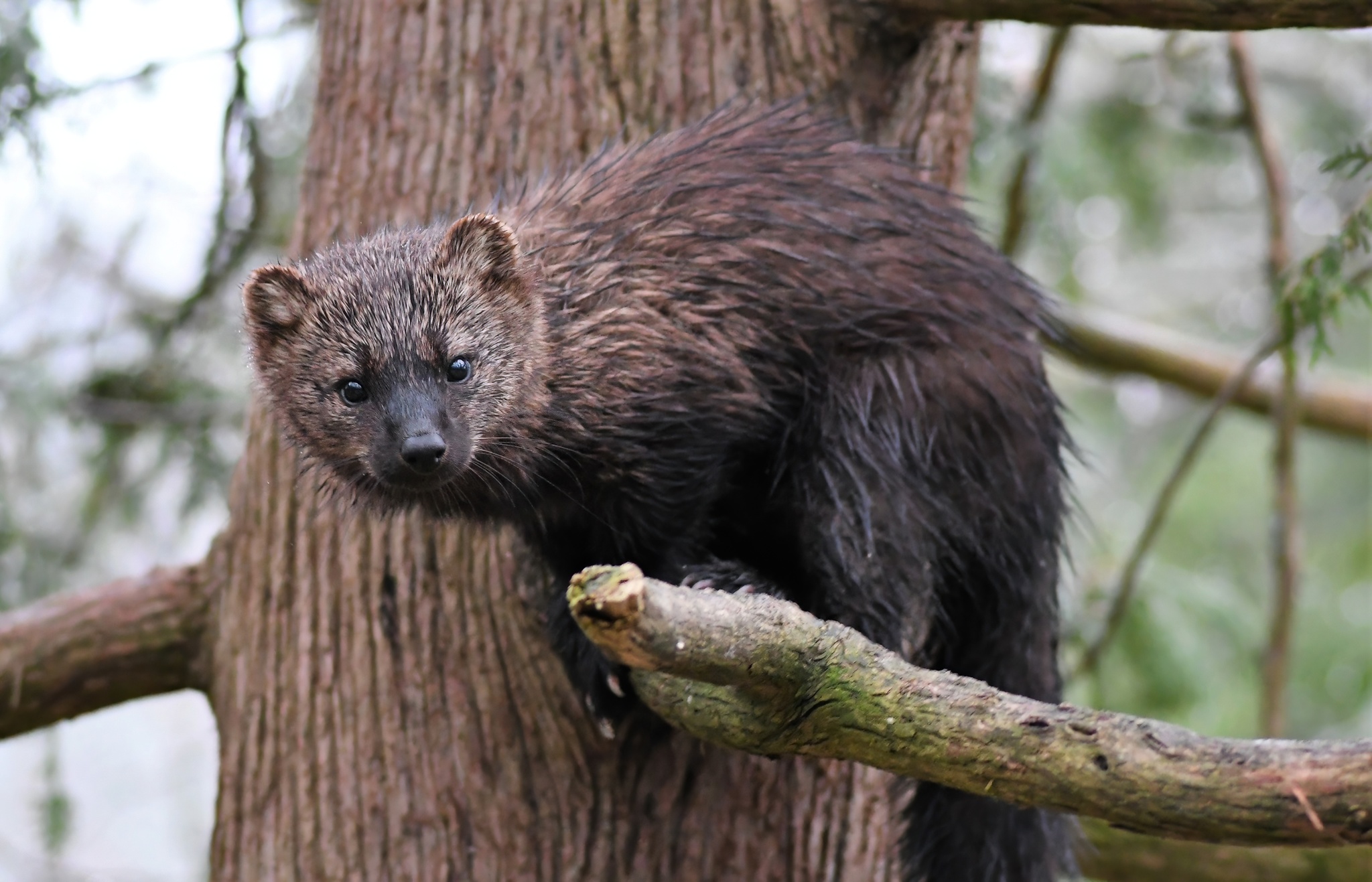
Quick Facts
- Scientific Name: Pekania pennanti
- Average Weight: 5–15 pounds
- Length: 2–3 feet (including tail)
- Habitat: Dense forests
- Diet: Small mammals, birds, carrion
- Activity: Mostly nocturnal
- Danger Level: Low
Where Fishers Live in Maine
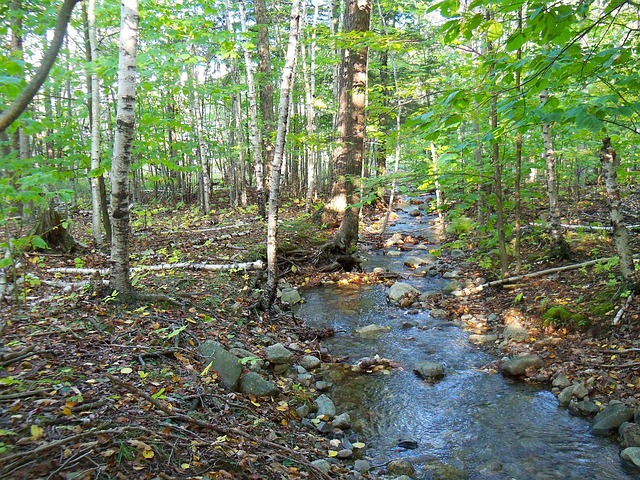
Fishers live primarily in forested areas across Maine and avoid wide open spaces.
They prefer:
- Dense woods
- Areas with heavy cover
- Brush piles and fallen logs
- Tree cavities for resting and dens
They use forest edges often but avoid large open fields and clearings. Home ranges typically span 5–10 square miles, with males covering larger territories than females.
What Do Fishers Eat in Maine?
Fishers are carnivores and skilled hunters.
Their diet includes:
- Snowshoe hare
- Porcupines
- Small rodents
- Birds
- Carrion (dead animals)
They will also eat fruits and nuts when available.
👉 Despite the name, fishers rarely eat fish
Fishers are one of the only predators capable of killing porcupines and have even been known to prey on animals like Canada lynx.
Are Fishers Dangerous?
Fishers are not dangerous to humans and are very shy.
However, they may:
- Prey on chickens or small animals
- Occasionally approach yards if food is available
Encounters are rare due to their secretive nature.
How to Identify a Fisher in Maine
Fishers can be identified by their long, low body, short legs, dark brown fur, and bushy tail. Despite their size, fishers are powerful predators with dense, muscular bodies that allow them to take down prey much larger than themselves, including porcupines.
They are often mistaken for large weasels.
Signs of Fishers in Maine
You may notice:
- Tracks with five toes
- Scat containing fur or bones
- Signs of porcupine predation
- Movement along wooded trails
When They’re Most Active
Fishers are most active at early evening, night time and dawn. However, in the winter
they may be seen more during daylight hours.
Seasonal Changes
Fishers remain active year-round and do not hibernate. During extreme winter weather, they may stay sheltered for short periods, but they continue to hunt throughout the season. Their activity patterns shift based on food availability rather than temperature alone.
.
Reproduction & Family Structure
Fishers breed between March and April, with litters of 1 to 5 kits typically born in late March or April.
One of the most unique traits of fishers is delayed implantation, where the embryo pauses development before continuing later in the year. This allows birth to occur at the optimal time for survival.
Young are usually born in tree cavities, providing protection from predators during early development.
Survival & Threats
Fishers face several threats in Maine, including habitat loss, trapping, vehicle collisions, and disease or parasites.
While forest loss can negatively impact populations, regenerating forests often benefit fishers by increasing prey like snowshoe hare.
Management & Conservation
Fishers are managed through regulated trapping in Maine to ensure populations remain stable.
Wildlife officials monitor population trends, track age and health data, and use motion-activated camera surveys to study these elusive animals. Current populations are considered stable.
Fun Facts About Fishers
- Despite their name, fishers rarely eat fish
- Fishers are one of the only predators that regularly hunt porcupines
- They attack porcupines repeatedly in the face until they can flip them over
- Fishers are excellent climbers thanks to their retractable claws
- They have a unique reproduction trait called delayed implantation
- Male fishers can be nearly twice the size of females
Do Fishers Cause Problems in Maine?
Fishers can occasionally cause issues for homeowners, though conflicts are relatively uncommon.
They may prey on chickens or small animals and sometimes use woodpiles or structures for shelter.
To reduce conflicts, homeowners should secure livestock and poultry, remove potential food sources, and keep yards clean and well maintained.
Common Questions About Fishers in Maine
Are Fishers Active Year-Round in Maine?
Yes, fishers stay active year-round and do not hibernate.
How Can You Tell if a Fisher Is Nearby?
Look for tracks with five toes, along with signs of prey such as porcupine remains.
Do Fishers Stay in the Same Area?
Yes, fishers maintain territories and typically stay within the same general area.
Information based on data from the Maine Department of Inland Fisheries and Wildlife.