
Bobcats are one of Maine’s most secretive predators—and most people will never see one in the wild. While they’re rare in the far northern parts of the state due to deep snow, they’re common across much of Maine and are slowly adapting to suburban areas. Most people never see one, but they play an important role in controlling rodent populations.
Why Bobcats Matter in Maine
Bobcats help keep ecosystems balanced by controlling populations of small mammals like mice and voles. As a top predator, they prevent overpopulation and help maintain healthier forests and fields.
Quick Facts
- Scientific Name: Lynx rufus
- Average Weight: 15–30 pounds
- Length: Around 3 feet
- Habitat: Forests, fields, rocky areas
- Diet: Small mammals, birds, deer
- Activity: Mostly nocturnal
- Danger Level: Low
Where Bobcats Live in Maine
Bobcats are found throughout most of Maine except for the far northern regions where deep snow makes survival harder. They live in a wide range of habitats including forests, farmland, and even areas near towns.
They prefer areas with:
- Dense cover for hunting
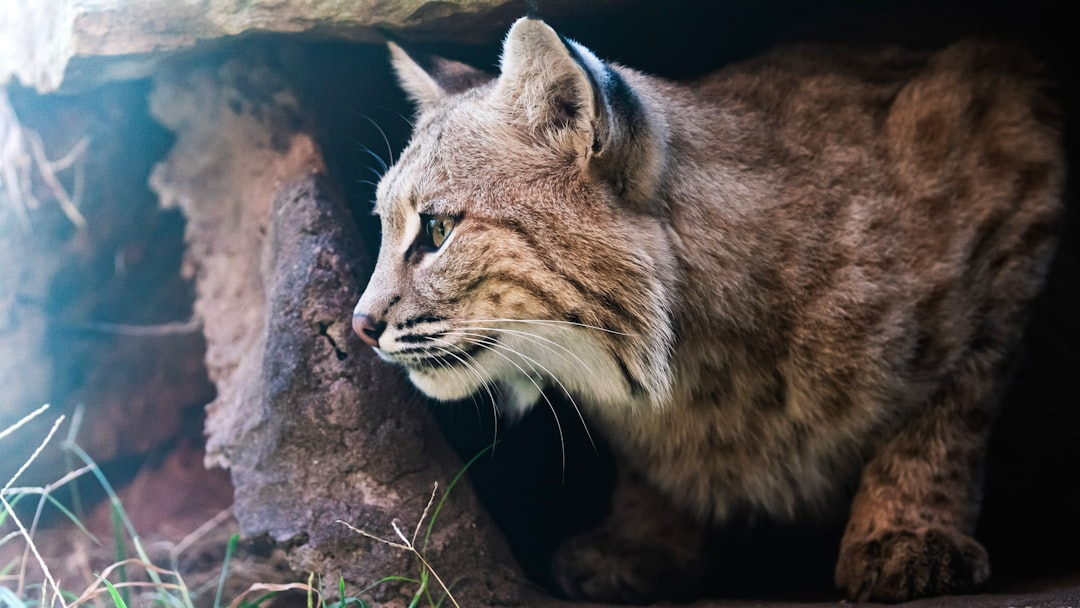
- Rock ledges or cliffs for shelter
- Brush piles and hollow logs for resting
Male bobcats can have territories around 30–36 square miles, while females use smaller ranges.
What Do Bobcats Eat in Maine?
Bobcats are opportunistic hunters and eat a wide variety of prey.
Their diet includes:
- Mice and voles
- Snowshoe hare
- Grouse and birds
- Woodchucks
- Deer (especially fawns)
- Turkeys
They hunt by stalking quietly and then pouncing quickly. Bobcats will often cover leftover prey and return to it later.
Are Bobcats Dangerous?
Bobcats are not considered dangerous to humans. They are shy and avoid people whenever possible.
In rare cases, they may target small livestock like chickens, especially during winter when food is harder to find.
How to Identify a Bobcat in Maine
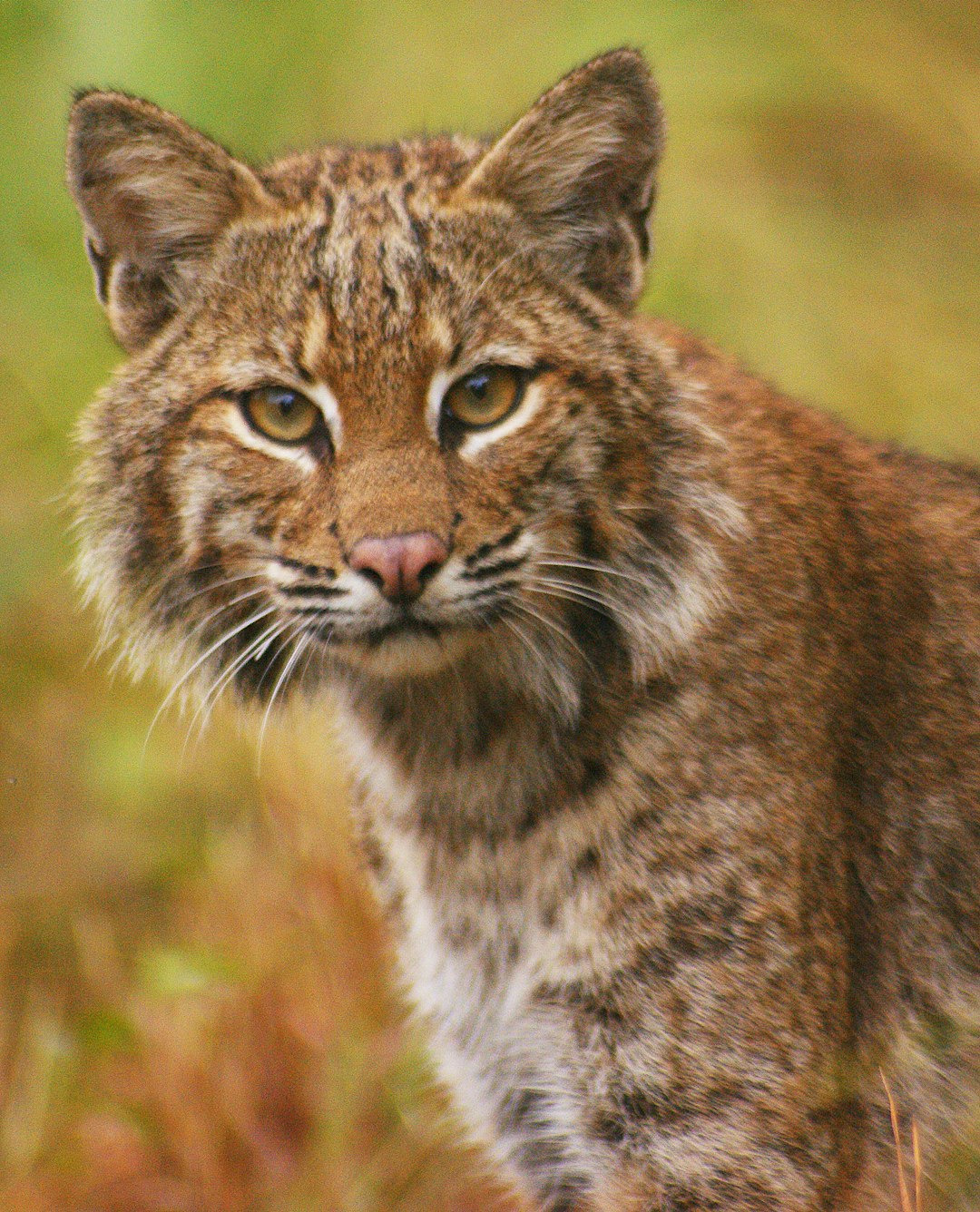
Bobcats can be identified by:
- Short “bobbed” tail with black top and white underside
- Spotted or striped brown coat
- Small ear tufts
- Facial fur that looks like sideburns
Tracks are about 2 inches wide, round, and do not show claw marks.
Signs of Bobcats in Maine
While walking in the woods of Maine you may notice signs such as:
- Tracks without claw marks
- Scat along trails or roads
- Cached prey covered with leaves or snow
- Scratch marks on trees
When They’re Most Active
Bobcats are most active at:
- Dawn
- Dusk
- Night
They may become more nocturnal near human activity.
Seasonal Changes
Bobcats stay active year-round.
- Summer: Reddish-brown coat
- Winter: More gray or muted coloring
They are more likely to be seen near towns in winter when food is scarce.
Reproduction & Family Structure
Breeding season: February–March
Litters: 1–5 kittens
Birth: Usually in May
Young bobcats stay with their mother for up to a year before going off on their own.
Survival & Threats
Bobcats face threats from:
- Harsh winters (especially deep snow)
- Habitat loss
- Vehicle collisions
- Poison exposure
Young bobcats are vulnerable to predators like coyotes, owls, and foxes.
Management & Conservation
Bobcats are considered a stable species in Maine.
Wildlife officials:
Track age and health through data collection
Monitor populations
Regulate hunting and trapping
*Do Bobcats Cause Problems in Maine?
Bobcats rarely cause issues for humans.
However, they may:
- Target chickens or small livestock
- Be seen more often in winter
To reduce conflicts:
- Secure livestock at night
- Remove food sources
- Keep pets supervised
Common Questions About Bobcats in Maine
Are Bobcats Active Year-Round in Maine?
Yes, bobcats stay active all year and do not hibernate.
How Can You Tell if a Bobcat Is Nearby?
Look for round tracks without claw marks and hidden prey remains.
Do Bobcats Stay in the Same Area?
Yes, bobcats maintain territories and usually stay within them.
Information based on data from the Maine Department of Inland Fisheries and Wildlife.