
Canada lynx don’t just live in Maine — they thrive in some of the harshest winter conditions in the state. With oversized, snowshoe-like paws and long legs, these wild cats are built to hunt and survive in deep snow where other predators struggle.
Why Canada Lynx Matter in Maine
Canada lynx are an important predator in Maine’s northern forests, helping control snowshoe hare populations. Because they rely heavily on healthy forest habitat and stable prey populations, they are also considered an indicator species of ecosystem health.
Quick Facts
- Scientific Name: Lynx canadensis
- Average Weight: 17–30 pounds
- Length: About 32–34 inches
- Habitat: Boreal forests, especially spruce and fir
- Diet: Primarily snowshoe hare, plus small mammals and birds
- Activity: Active both day and night
- Special Ability: Large, fur-covered feet that act like snowshoes
- Danger Level: Low
Where Canada Lynx Live in Maine
Canada lynx are mostly found in northern and western Maine, especially in areas with dense spruce and fir forests. These forests provide ideal habitat for snowshoe hare, their main food source.
They are most common in remote regions such as Aroostook and Piscataquis counties, as well as parts of northern Penobscot, Somerset, Franklin, Oxford, and even northern Washington County. Lynx can travel long distances but are rarely seen in southern Maine.
What Do Canada Lynx Eat in Maine?
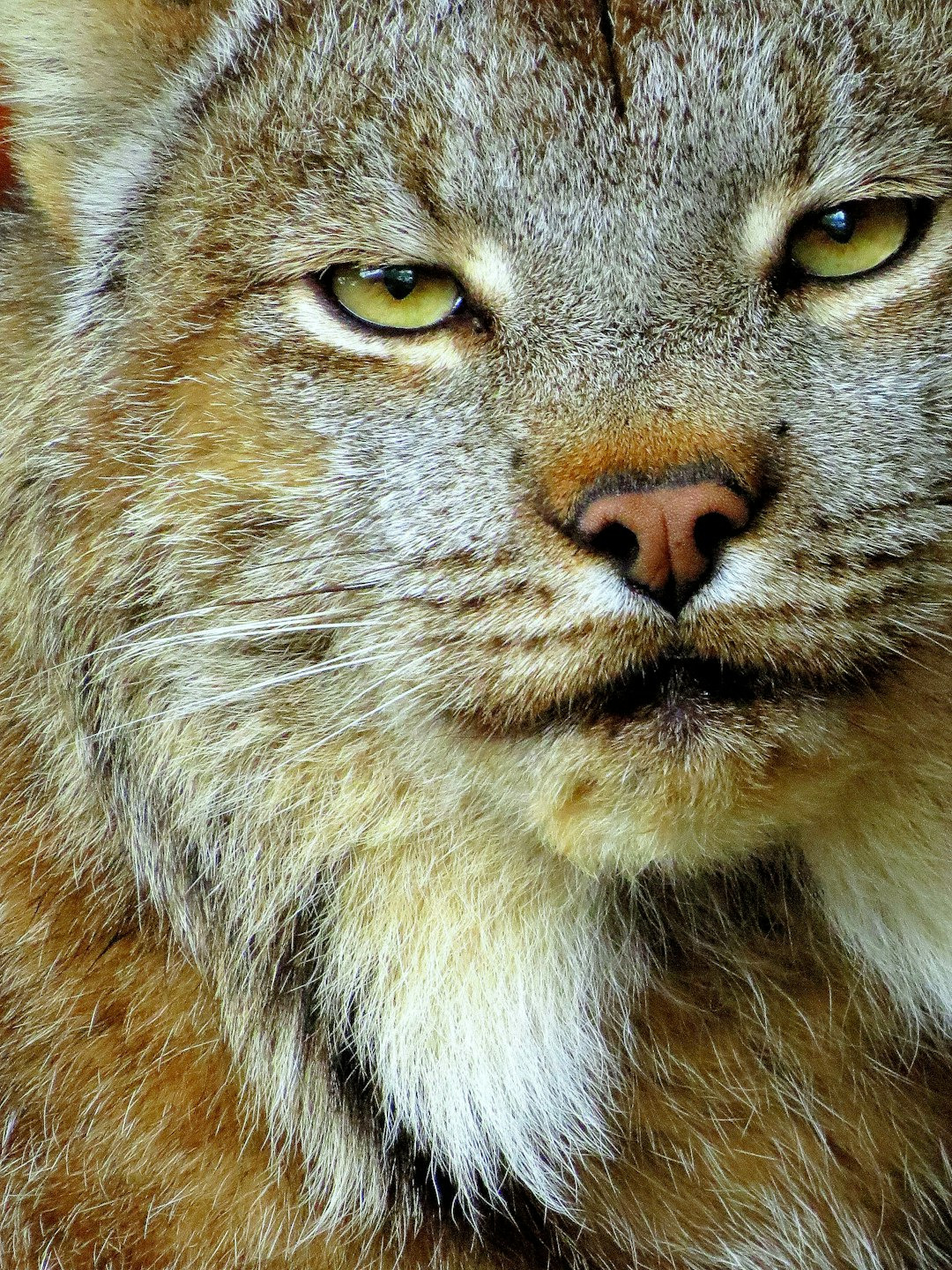
Canada lynx rely heavily on snowshoe hare, which can make up over 75% of their diet. When hares are abundant, a lynx may eat one or two per day.
During the summer, their diet becomes more varied and may include grouse, squirrels, small mammals, and even animal carcasses.
Are Canada Lynx Dangerous?
Canada lynx are not considered dangerous to humans. They are shy, elusive animals that avoid people whenever possible. Encounters are extremely rare, and they pose little to no threat to people.
How to Identify a Canada Lynx in Maine
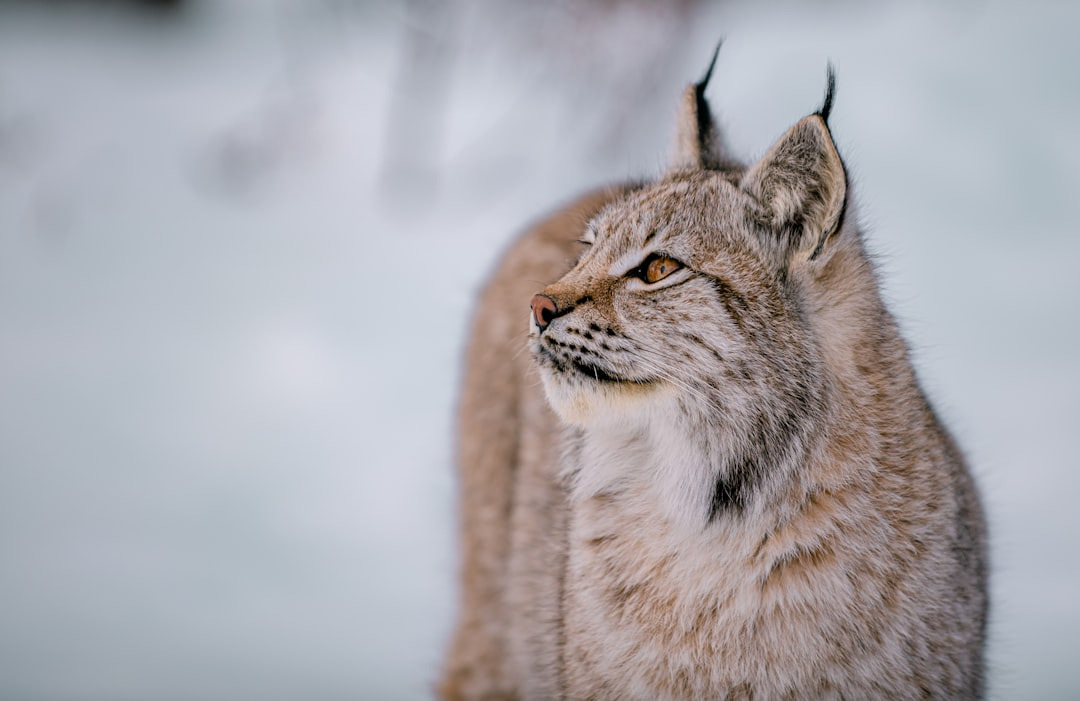
Canada lynx look similar to bobcats but have several key differences. They have longer legs, larger feet, and longer ear tufts. Their tail is short with a completely black tip.
Their oversized, fur-covered paws help them move easily across deep snow. Their coat is typically light gray in winter and more reddish-brown in summer.
Signs of Canada Lynx in Maine
- Large, round tracks (over 3 inches wide) in snow
- Tracks that appear widely spaced due to long stride
- Sightings in dense spruce/fir forests
- Presence of snowshoe hare populations nearby
When They’re Most Active
Canada lynx are active both during the day and at night. However, they are rarely seen due to their secretive nature and preference for remote areas.
Seasonal Changes
In winter, lynx have thick, light gray fur that helps them blend into snowy landscapes. In summer, their coat becomes shorter and takes on a reddish-brown color.
Breeding season occurs between late February and March, when males travel more in search of females.
Reproduction & Family Structure
After a gestation period of about 60–70 days, female lynx give birth in May. Litters typically range from one to five kittens, with three being average.
Kittens are raised by the mother and begin traveling with her by early summer. They usually stay with her until the following spring before leaving to establish their own territory.
Lynx are mostly solitary, except during breeding or when females are raising young.
Survival & Threats
Canada lynx face several natural and environmental threats. Predators can include fishers, which have been documented as a major cause of lynx mortality in Maine.
Other threats include starvation, disease, vehicle collisions, and habitat changes. Because lynx depend heavily on snowshoe hare, their survival is closely tied to prey availability.
Climate change may also impact lynx by reducing deep snow conditions that give them a survival advantage..
Management & Conservation
Canada lynx are federally listed as threatened and are considered a species of special concern in Maine. Hunting and trapping of lynx has been closed since 1967.
Maine supports the largest lynx population in the lower 48 states, with over 1,000 adults estimated in northern and western regions. Conservation efforts focus on protecting habitat and minimizing accidental capture in traps.
Fun Facts About Canada Lynx
- Maine has the largest lynx population in the lower 48 states
- Their paws act like natural snowshoes
- They rely heavily on snowshoe hare for survival
- They can travel long distances through remote forests
- They are rarely seen despite being relatively widespread in northern Maine
*Do Canada Lynx Cause Problems in Maine?
Canada lynx rarely cause problems for people. In rare cases, they may prey on small domestic animals, but conflicts are uncommon.
Most issues can be avoided by keeping pets indoors at night and reducing attractants near homes.
Common Questions About Canada Lynx in Maine
Are Canada Lynx Active Year-Round in Maine?
Yes, Canada lynx remain active throughout the year and do not hibernate.
How Can You Tell if a Canada Lynx is in the Area?
Large, round tracks in the snow and sightings in dense northern forests are the most common signs..
Do Canada Lynx Stay in the Same Area?
Lynx maintain home ranges but can travel long distances, especially when searching for food or mates.
Information based on data from the Maine Department of Inland Fisheries and Wildlife.